First Friday: Sustainability in LouisvilleFriday, April 3 | 6–8 p.m.
1001 Main Street
Learn more |
|  |
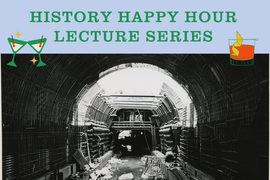
History Happy Hour: Working on the Johnson Tunnel with Karall HeimannTuesday, April 7 | 5:30–7 p.m.
Relish Food Hall, 550 McCaslin Blvd
Register here |
|  |
Pop-Up Quilting WorkshopWednesday, April 22 | 3:30–5 p.m.
1001 Main Street
Register here |
|  |
Legendary Ladies Historic ReenactorsThursday, April 23 | 6–7 p.m.
801 Grant Ave
Register here |
|  |
|
|
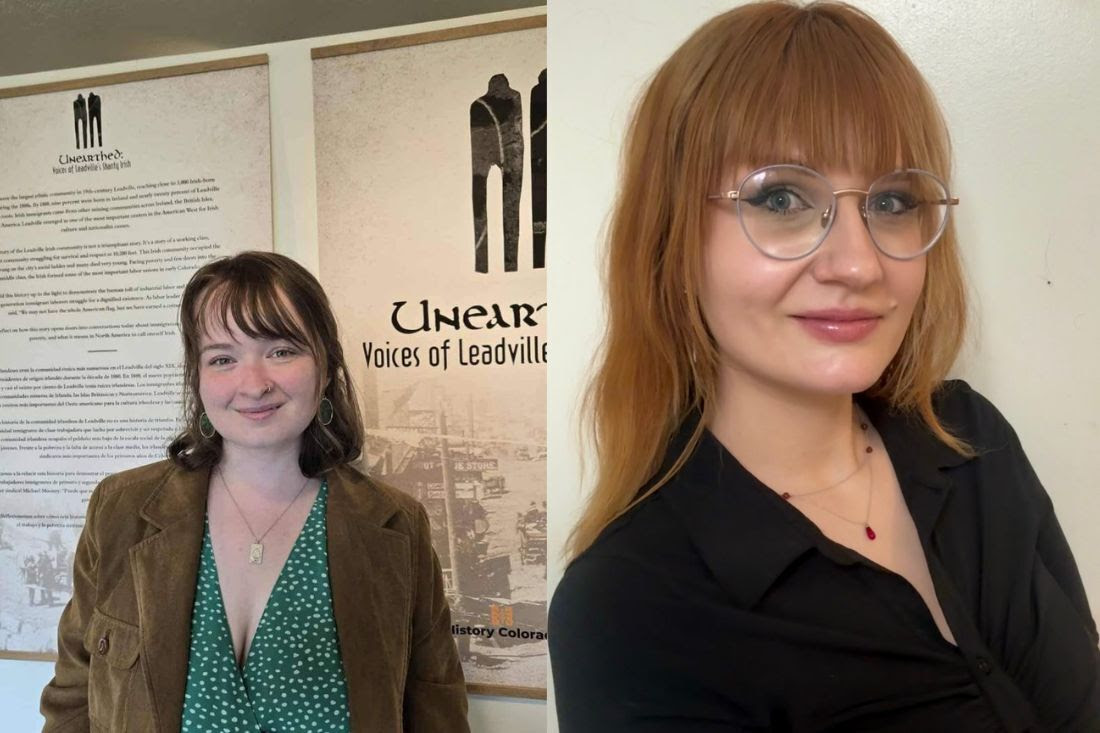 Museum Associates Eilish Brennan (left) and Allison Tucker (right). The Museum is excited to introduce two new Museum Associates to our team!Eilish Brennan is joining the team from the Molly Brown House Museum and is currently a graduate student of History at the University of Colorado at Denver. She has a strong passion for uncovering labor and women's history in 20th-century mining towns and has helped create an exhibit called Unearthed: Voices of Leadville's Shanty Irish. In 2025, she was a recipient of the Jordan-Potts Award from the American Conference for Irish Studies for her presentation on working-class Irish women in Leadville, Colorado. Eilish is so thrilled to join the team as the Museum Associate for Public History and help uncover and share more of Louisville's amazing history! Allison Tucker is joining our team as the Museum Associate of Communications and Outreach. She fell in love with history as a teenager while volunteering at her local museum. She has worked as a docent at the Bella Vista History Museum and at the Scott Family Amazeum, a children’s museum in Arkansas. She graduated from the University of Arkansas, where she studied Spiritualist women in the late nineteenth century. Allison is excited to help visitors discover something new about Louisville! |
|
First Fridays at the Museum are back!Learn about Louisville’s road to sustainability at our April First Friday. Make a bee-themed craft, pick up a bird watching scavenger hunt, and more! Check out the Museum campus and discover what environmental movements have meant in Louisville and how the community transitioned from the days of burning coal to earning our status as a Tree, Bee, and Bird City. This is a free event, no registration required. |
Hear the story of a woman welder at our April History Happy HourLearn about Karall Heimann and how she worked as the only female welder on the Johnson-Eisenhower Tunnel in the 1970s! Karall was an employee of an electrical company that installed lighting in the Johnson-Eisenhower Tunnel and was one of only three women who worked on the project. Sit back and enjoy a drink and snack at Relish Food Hall and hear all about the experiences of this fascinating tradeswoman! |
|
 Our pop-up quilting workshop returns!Join us for another pop-up quilting workshop. Hone your hand-stitching skills and come chat with folks gathered around a quilting frame. Harken back to the days before sewing machines and learn about hand-quilting stitches and styles with a community of quilters and history lovers! |
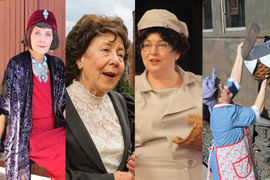 Legendary Ladies make history come aliveThe Louisville Historical Museum presents a special evening with the Legendary Ladies. The Legendary Ladies are a group of historical performers who will whisk you away back in time to learn about famous women with connections to Colorado and the West: Mary Rippon, Maud Nelson, Rae Wilson, and Mabel Dodge Luhan. Learn all about their colorful and accomplished lives at this sesquisemiquincentennial celebration event! |
|
MembershipJoin or Renew Today!
We love our members! Members can renew online, via mail, or in person. As a reminder, if paying by check, please make your membership check out to the Louisville Historical Museum and remember to make any monetary donations separately to the Louisville History Foundation. Thank you for your support!
Not a member yet? Join today with the perfect membership type for you. The Historical Museum offers individual, family, and business memberships, as well as gift memberships so that you can give someone who loves Louisville and history full access to all that the Museum has to offer. Museum members receive the Louisville Historian in the mail four times each year. You can also make a donation directly to the Louisville History Foundation to support the work the Museum does and special projects. |
|
Thank You, Business Members |
|
740 Front Alternating Current Press
ARC Thrift Stores Ariel IT Services
Atomic Forge
Berkelhammer Tree Experts, Inc.
Bolder Insurance
Coal Creek Collision Center
Cory Nickerson - 8z Real Estate
Creative Framing & Art Gallery
DAJ Design, Inc.
Deep End Solutions E & L Team at RE/MAX Elevate Ferguson's Family Plumbing and Drain Fingerplay Studios |
Gstalder Louisville Law Group Hofgard & Associates, P.C.
Louisville Cyclery
Louisville Tire & Auto Care Moxie Bread Co.
Origin CPA Group
Paul's Coffee & Tea
Pine Street Plaza Pink House Co. Premier Members Credit Union
Seward Mechanical Systems
Society of Italian Americans
Stewart Architecture
Ters Family Dentistry
The Singing Cook |
|
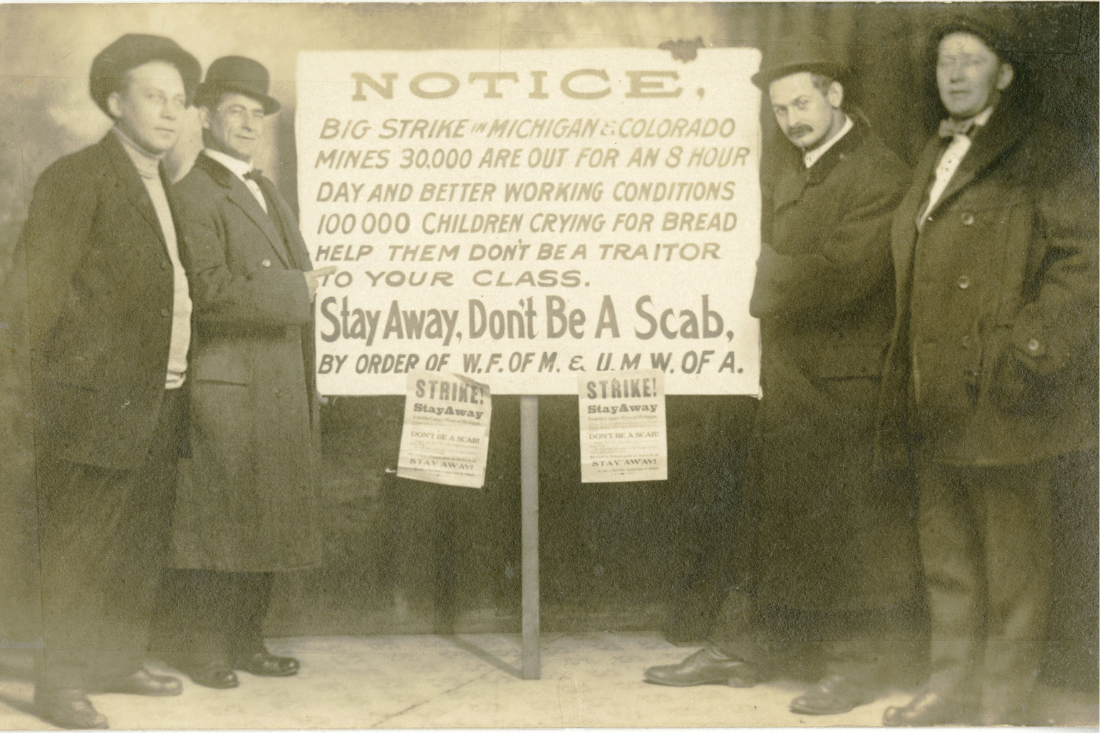 Historic Photo FeatureApril 1, 1910 marked the beginning of the longest strike in Colorado state history. Miners in the northern coalfield, including Louisville, remained on strike until December 1914. Coal operators in the region refused to renegotiate a contract with the United Mine Workers of America that called for union recognition, a pay increase, and better working conditions. In response to the strike, companies hired armed guards and strikebreakers, which contributed to strike-related violence throughout the conflict. The strike in the northern coalfield eventually spread to Colorado’s southern coalfield, beginning the Colorado Coalfield War (1913-1914), one of the most violent labor conflicts in American history. In this photo, Louisville resident Tony Romeo, second from the left, poses with other labor organizers from the United Mine Workers of America and the Western Federation of Miners. The unions discouraged workers around the country from entering strike zones in both of Colorado’s coalfields and Michigan’s upper peninsula, where copper miners were also on strike from 1913 to 1914. The Long Strike defined nearly half a decade for Louisville residents. Miners and their families survived on meager union relief payments during this time in order to advocate for workers’ rights. Ultimately, the strike was a failure. However, it stands out as a symbolic representation of workers’ persistence and resilience in the American labor movement. |
|
|
|
|